Sativa vs. Indica
Indica vs Sativa: What’s the Difference?
Cannabis is often described as either Indica, Sativa, or Hybrid. These terms are commonly used to describe different cannabis plant types, but they do not always predict how a medical cannabis product will affect a patient.
Traditionally, Indica and Sativa have been used to describe differences in plant appearance, growing patterns, and general strain characteristics. Today, many cannabis products are hybrids, and their potential effects are better understood by looking at their cannabinoid profile, including THC and CBD, as well as other plant compounds such as terpenes.
What Is Cannabis Sativa?
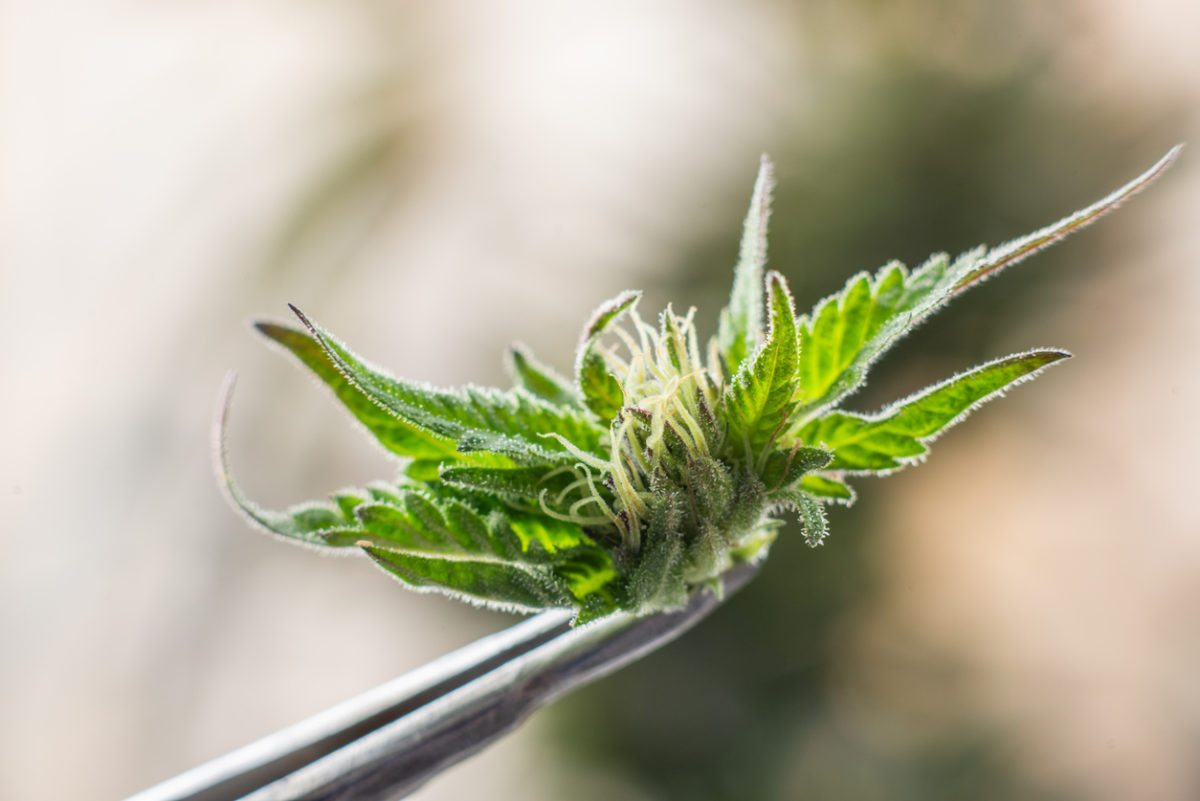
Cannabis Sativa plants are often described as taller plants with narrower leaves and longer flowering times. They may have longer spaces between branches, known as internodal spacing, and can produce longer, less dense flowers compared with some Indica-type plants.
In consumer language, Sativa strains are often associated with more uplifting or energizing effects. However, this is not guaranteed. The effects of any cannabis product depend on factors such as:
- THC and CBD levels
- Terpene profile
- Dose
- Method of use
- Individual patient response
- Medical history and medications
What Is Cannabis Indica?
Cannabis Indica plants are often described as shorter, bushier plants with broader leaves. They may have shorter internodal spacing and produce denser, more compact flowers.
Indica strains are often associated with calming or relaxing effects, but this should not be treated as a medical rule. Two products labelled “Indica” can still have very different THC, CBD, and terpene profiles.
For medical cannabis patients, the label alone is not enough to determine whether a product is appropriate. Product selection should consider the patient’s goals, symptoms, safety needs, and clinical guidance.
What Are Hybrid Cannabis Strains?
Hybrid strains are created by breeding different cannabis cultivars, often combining Sativa-type and Indica-type genetics. Many cannabis products available today are hybrids.
A hybrid may be described as:
- Sativa-dominant
- Indica-dominant
- Balanced hybrid
These descriptions may offer some general context, but they should not replace a review of the product’s cannabinoid content, terpene profile, potency, and intended use.
Indica vs Sativa: Plant Differences
Although effects can vary, Indica and Sativa plants are often described differently in terms of appearance and growth.
| Feature | Sativa | Indica |
|---|---|---|
| Plant height | Often taller | Often shorter |
| Plant shape | More open, less bushy | More compact and bushy |
| Leaves | Longer, narrower blades | Shorter, wider blades |
| Bud structure | Often longer and less dense | Often denser and more compact |
| Flowering time | Often longer | Often shorter |
THC, CBD, and Why Chemistry Matters
Cannabis contains many naturally occurring compounds, including cannabinoids such as THC and CBD.
THC is the cannabinoid most commonly associated with intoxicating effects. It may also be associated with certain medical effects, but it can cause side effects such as dizziness, anxiety, impairment, or changes in alertness.
CBD is non-intoxicating and may be present in different amounts depending on the product. CBD-only, THC-dominant, and balanced THC:CBD products may all exist across different cannabis cultivars, including products marketed as Indica, Sativa, or Hybrid.
This means it is not accurate to say that Sativa strains are always THC-dominant or that Indica strains are the only strains that contain CBD. The most reliable approach is to review the product’s tested cannabinoid profile.
Do Indica and Sativa Predict Effects?
Not always. Research has found that Indica and Sativa labels may not reliably reflect a cannabis product’s genetic or chemical makeup. In practice, two products with the same label can still feel different because they may contain different levels of cannabinoids and terpenes.
For medical cannabis patients, this is why clinical guidance matters. A healthcare professional can help patients consider product type, dosage, timing, safety risks, and potential interactions.
Choosing Medical Cannabis Safely
If you are considering medical cannabis, avoid choosing a product based only on whether it is labelled Indica, Sativa, or Hybrid. Instead, consider:
- Your medical goals
- THC and CBD levels
- Potential side effects
- Your experience with cannabis
- Other medications you take
- Whether impairment could affect driving, work, or caregiving
- Guidance from a qualified healthcare professional
Medical cannabis is not appropriate for everyone, and effects vary from person to person.
Sources:
- Health Canada: About cannabis, cannabinoids, THC, CBD, and cannabis products: https://www.canada.ca/en/health-canada/services/drugs-medication/cannabis/about.html
- Nature Plants: Cannabis labelling and genetic/terpene variation: https://www.nature.com/articles/s41477-021-01003-y
- Health Canada: Information for healthcare professionals on cannabis and cannabinoids: https://www.canada.ca/en/health-canada/services/drugs-medication/cannabis/information-medical-practitioners/information-health-care-professionals-cannabis-cannabinoids.html