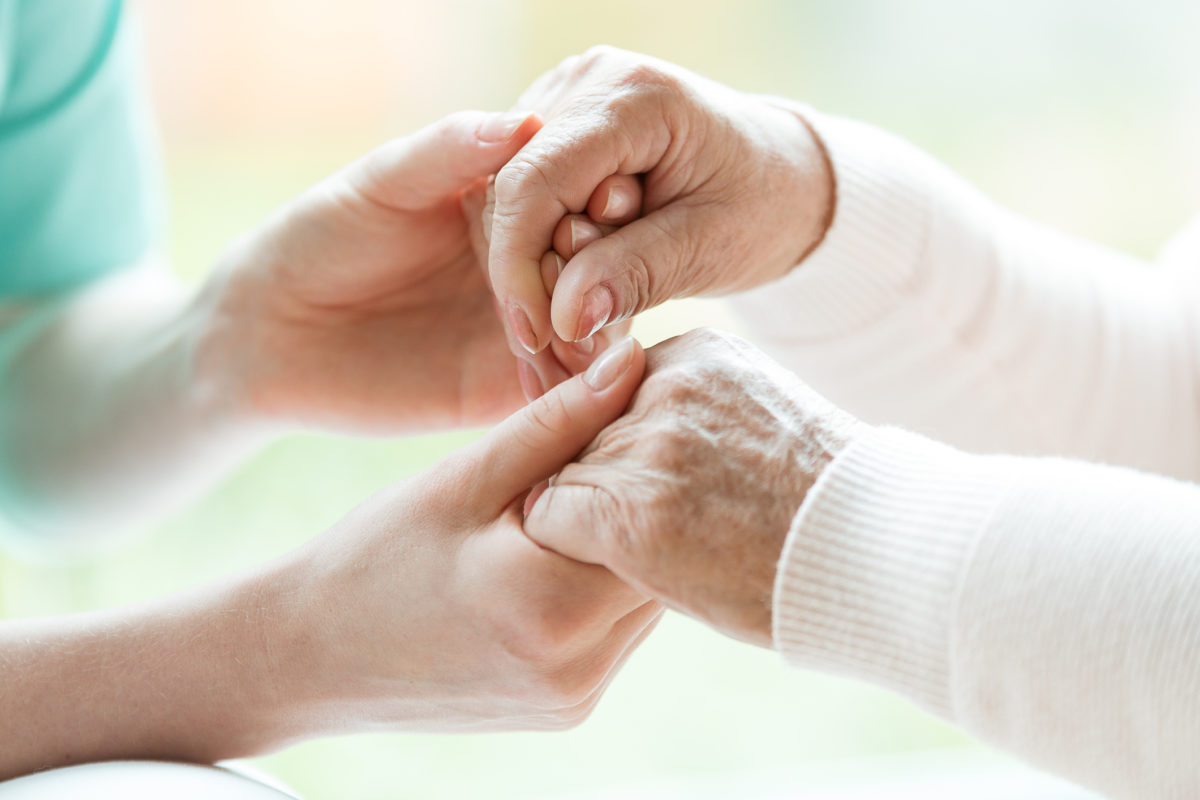
Post-Traumatic Stress Disorder

Medical Cannabis for PTSD
Can Medical Cannabis Help PTSD?
A growing body of research suggests that cannabinoids found in medical cannabis may help manage symptoms associated with post-traumatic stress disorder, including anxiety, nightmares, sleep disturbances, hypervigilance, irritability, and emotional distress. Cannabinoids such as CBD (cannabidiol) and THC (tetrahydrocannabinol) interact with the body’s endocannabinoid system, which plays an important role in regulating stress response, fear processing, emotional memory, mood, and sleep.
Medical cannabis does not cure PTSD. However, studies and patient-reported outcomes suggest cannabinoids may help support symptom management, improve sleep, reduce nightmares, and promote emotional regulation for some individuals when used under medical supervision.
Understanding PTSD
Post-traumatic stress disorder, or PTSD, is a mental health condition that can develop after experiencing or witnessing a traumatic event. PTSD affects the way the brain and body respond to stress, fear, and memory.
Common symptoms may include:
- intrusive memories or flashbacks
- nightmares
- anxiety or panic symptoms
- hypervigilance
- irritability or anger
- emotional numbness
- avoidance of reminders
- sleep disturbances
- difficulty concentrating
Standard treatment approaches may include:
- trauma-focused therapy
- cognitive behavioural therapy
- exposure-based therapy
- eye movement desensitization and reprocessing
- antidepressant or anti-anxiety medications
- sleep support strategies
Some individuals explore medical cannabis as a complementary option to help manage sleep, anxiety, nightmares, and emotional distress.
How Medical Cannabis May Help PTSD Symptoms
Medical cannabis contains cannabinoids that interact with the body’s endocannabinoid system, which helps regulate stress response, fear processing, mood, emotional memory, and sleep.
Research suggests cannabinoids may support PTSD symptom management through several mechanisms.
Anxiety and Hypervigilance Support
PTSD can keep the nervous system in a heightened state of alert. Cannabinoids, particularly CBD, may help support relaxation and reduce stress-related symptoms in some individuals.
Sleep and Nightmare Reduction
Sleep disturbances and nightmares are common in PTSD. Cannabinoids may help support sleep quality and may reduce the frequency or intensity of trauma-related nightmares in some patients.
Emotional Memory Processing
The endocannabinoid system is involved in fear extinction and emotional memory. Cannabinoids may influence how the brain processes fear-related memories, which may be relevant to PTSD symptoms.
Mood and Irritability Support
PTSD can contribute to irritability, anger, and emotional dysregulation. Cannabinoids may help support emotional balance and improve overall comfort in some individuals.
THC vs CBD for PTSD
Different cannabinoids may play different roles in symptom management.
CBD (Cannabidiol)
CBD is a non-intoxicating cannabinoid that has been studied for its potential to:
- reduce anxiety and stress
- support emotional regulation
- improve sleep quality
- influence fear and memory processing
- promote relaxation
CBD may be helpful for individuals seeking symptom support without intoxicating effects.
THC (Tetrahydrocannabinol)
THC is the psychoactive compound in cannabis and may help:
- reduce nightmares
- promote sleep
- support relaxation
- reduce distress in some individuals
However, higher doses of THC may worsen anxiety, panic, or emotional distress in some patients. Careful dosing and medical supervision are important.
Clinical Considerations for Patients and Caregivers
Medical cannabis should be used under the supervision of a qualified healthcare provider, particularly for individuals with PTSD or trauma-related symptoms.
Important considerations include:
- starting with low doses and adjusting gradually
- monitoring sleep, nightmares, anxiety, mood, and daily function
- reviewing potential interactions with medications
- avoiding high-THC products if they worsen anxiety or panic symptoms
- using medical cannabis as part of a broader mental health care plan
Medical cannabis should not replace trauma-focused therapy or prescribed medications unless directed by a healthcare provider.
When to Speak With a Medical Cannabis Clinic
If PTSD-related symptoms such as nightmares, anxiety, sleep disturbances, or hypervigilance continue to affect your quality of life despite standard treatment approaches, medical cannabis may be explored as a complementary option for symptom management.
At Greenleaf Medical Clinic, physicians develop personalized treatment plans based on each patient’s medical history, medications, symptoms, and treatment goals. Our team works closely with patients and their healthcare providers to ensure cannabinoid therapy is used safely and appropriately.
If you’re interested in medical cannabis to help manage your symptoms, become a patient with us here.
Key Takeaways
- PTSD is a trauma-related mental health condition involving intrusive memories, hypervigilance, anxiety, nightmares, and sleep disturbances
- The endocannabinoid system plays a role in stress response, fear processing, emotional memory, mood, and sleep
- Cannabinoids such as CBD and THC may help support anxiety reduction, sleep quality, nightmare reduction, and emotional regulation
- THC may help some individuals with sleep and nightmares but may worsen anxiety in others, especially at higher doses
- Medical cannabis does not cure PTSD but may help support symptom management under medical supervision
Evidence Summary
Research on cannabinoids and PTSD continues to grow. Studies suggest the endocannabinoid system plays a significant role in fear extinction, emotional memory processing, stress response, and sleep regulation.
Clinical studies and patient-reported outcomes suggest cannabinoids may help reduce nightmares, improve sleep, and support anxiety management in some individuals with PTSD. Research has also explored the role of cannabinoids in trauma-related memory processing and nervous system regulation.
While additional large-scale clinical trials are still needed, current evidence suggests cannabinoids may provide supportive symptom management for some individuals living with PTSD when used carefully as part of a supervised care plan.
Research on Medical Cannabis and PTSD
Scientific research continues to explore how cannabinoids may affect PTSD symptoms, including anxiety, nightmares, sleep disturbances, fear processing, and emotional regulation.
Does cannabis use modify the effect of post-traumatic stress disorder on severe depression and suicidal ideation? Evidence from a population-based cross-sectional study of Canadians Journal of Psychopharmacology (2019)
Cannabidiol in the treatment of post-traumatic stress disorder: a case series Journal of Alternative and Complementary Medicine (2019)
Short and long-term effects of cannabis on symptoms of post-traumatic stress disorder Journal of Affective Disorders (2020)
Use of cannabinoids for the treatment of patients with post-traumatic stress disorder Journal of Basic and Clinical Physiology and Pharmacology (2022)
Medical cannabis for treatment-resistant combat PTSD Frontiers in Psychiatry (2023)
Controlled Inhalation of Tetrahydrocannabinol-Predominant Cannabis Flos Mitigates Severity of Post-Traumatic Stress Disorder Medical Cannabis and Cannabinoids (2024)
Cannabis Provides Sustained Improvements in Patients With Post-Traumatic Stress Med Cannabis Cannabinoids (2024)
Post-Traumatic Stress Patients Experience Sustained Improvements Following Use of Medical Cannabis Products Expert Review of Neurotherapeutics (2025)
Cannabis Use Associated With Less Stress, Better Sleep Quality Among Military Veterans With PTSD Drug and Alcohol Dependence (2025)
Frequently Asked Questions
Can cannabis help PTSD?
Some studies and patient reports suggest cannabinoids may help reduce nightmares, improve sleep, and support anxiety management in some individuals with PTSD.
Is CBD helpful for PTSD?
CBD may help support anxiety reduction, emotional regulation, relaxation, and sleep quality in some individuals.
Can THC help with PTSD nightmares?
THC may help reduce nightmares and improve sleep for some patients, but it should be carefully dosed because higher amounts may worsen anxiety or panic symptoms.