
Cardiovascular Health
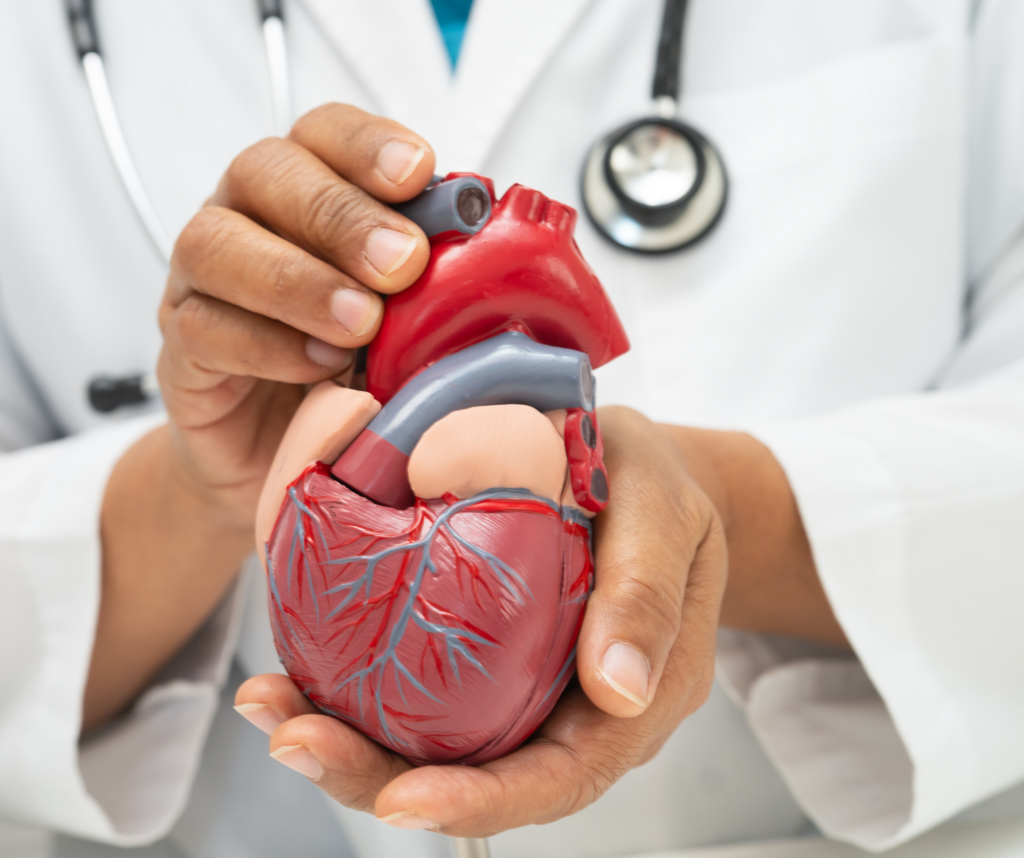
Can Medical Cannabis Affect Cardiovascular Health?
Research suggests that cannabinoids found in medical cannabis may influence several aspects of cardiovascular health, including blood pressure, heart rate, inflammation, and stress response. Cannabinoids such as CBD (cannabidiol) and THC (tetrahydrocannabinol) interact with the body’s endocannabinoid system, which plays a role in regulating vascular function, inflammation, and autonomic nervous system activity.
Medical cannabis is not used to treat or cure cardiovascular disease. However, some evidence suggests cannabinoids may help support symptom management in certain individuals by influencing stress, sleep, inflammation, and overall well-being. Because cardiovascular conditions can be complex, medical supervision is essential when considering cannabis as part of a care plan.
Understanding Cardiovascular Health
Cardiovascular disease refers to a group of conditions affecting the heart and blood vessels. These may include:
- high blood pressure (hypertension)
- coronary artery disease
- heart rhythm disorders (arrhythmias)
- heart failure
- stroke and vascular disease
Common symptoms associated with cardiovascular conditions may include:
- chest discomfort or pressure
- shortness of breath
- fatigue
- dizziness
- swelling in the legs or feet
- irregular heartbeat
Cardiovascular health is influenced by many factors, including lifestyle, genetics, stress levels, inflammation, and underlying medical conditions. Standard treatments may include medications, lifestyle changes, and ongoing medical monitoring.
How Medical Cannabis May Affect Cardiovascular Function
Medical cannabis contains cannabinoids that interact with the body’s endocannabinoid system, which helps regulate vascular tone, inflammation, and nervous system activity.
Research suggests cannabinoids may influence cardiovascular health through several mechanisms.
Blood Pressure Regulation
Some studies suggest cannabinoids may have effects on blood vessel relaxation, which may influence blood pressure. CBD in particular has been studied for its potential role in supporting vascular function and reducing stress-related increases in blood pressure.
Stress and Anxiety Reduction
Chronic stress is a known contributor to cardiovascular disease. Cannabinoids may help support emotional regulation and reduce stress responses, which may indirectly benefit heart health.
Anti-Inflammatory Effects
Inflammation plays a role in many cardiovascular conditions. Some research suggests cannabinoids may help reduce inflammatory processes, which are associated with vascular disease.
Sleep Support
Poor sleep is linked to increased cardiovascular risk. Cannabinoids may help improve sleep quality, which may support overall cardiovascular health.
THC vs CBD and Cardiovascular Health
Different cannabinoids may have different effects on the cardiovascular system.
CBD (Cannabidiol)
CBD is a non-intoxicating cannabinoid that has been studied for its potential to:
- support vascular function
- reduce stress and anxiety
- reduce inflammation
- support sleep
CBD is often considered when exploring cannabis in individuals with cardiovascular concerns due to its non-psychoactive profile.
THC (Tetrahydrocannabinol)
THC is the psychoactive compound in cannabis and can have more variable cardiovascular effects. It may:
- temporarily increase heart rate
- affect blood pressure
- promote relaxation in low doses
Because THC can have stimulating effects on the cardiovascular system, it should be used cautiously, particularly in individuals with existing heart conditions.
Clinical Considerations for Patients and Caregivers
Medical cannabis should only be used under the supervision of a qualified healthcare provider, especially for individuals with cardiovascular conditions.
Important considerations include:
- potential effects on heart rate and blood pressure
- interactions with cardiovascular medications
- starting with low doses and adjusting gradually
- monitoring for symptoms such as dizziness, palpitations, or changes in blood pressure
Patients with a history of heart disease, arrhythmias, or stroke should consult their healthcare provider before considering medical cannabis.
When to Speak With a Medical Cannabis Clinic
If you are managing a cardiovascular condition and are interested in whether medical cannabis may play a role in your overall care, it is important to speak with a qualified healthcare provider.
At Greenleaf Medical Clinic, physicians develop personalized treatment plans based on each patient’s medical history, medications, and overall health profile. Our team works closely with patients and their healthcare providers to ensure cannabinoid therapy is used safely and appropriately.
Ready to Explore Medical Cannabis Treatment?
If you are interested in learning whether medical cannabis may be appropriate for your situation, you can begin by submitting your information through our start page. Our team will review your details and work with your physician to obtain the required referral for an appointment.
Key Takeaways
- Cardiovascular disease includes conditions affecting the heart and blood vessels, such as hypertension and coronary artery disease
- The endocannabinoid system plays a role in regulating blood vessels, inflammation, and stress response
- Cannabinoids such as CBD and THC may influence blood pressure, heart rate, and vascular function
- CBD may support stress reduction, sleep, and inflammation, while THC may have more variable cardiovascular effects
- Medical cannabis is not a treatment for cardiovascular disease but may support certain aspects of overall well-being when used under medical supervision
Evidence Summary
Research on cannabinoids and cardiovascular health is still developing. Studies suggest the endocannabinoid system plays a role in regulating vascular tone, inflammation, and autonomic nervous system activity.
Some research indicates that CBD may support vascular function and reduce stress-related increases in blood pressure, while THC may have more complex and variable effects on heart rate and circulation.
Current evidence suggests cannabinoids may influence factors related to cardiovascular health, but more clinical research is needed. Medical cannabis should be approached cautiously in individuals with cardiovascular conditions and always used under medical supervision.
Research on Medical Cannabis and Cardiovascular Health
Scientific research continues to explore how cannabinoids affect cardiovascular function, including blood pressure, vascular health, and stress response.
Translating Endocannabinoid Biology into Clinical Practice: Cannabidiol for Stroke Prevention Cannabis and Cannabinoid Research (2017)
Cannabis is associated with blood pressure reduction in older adults – A 24-hours ambulatory blood pressure monitoring study European Journal of Internal Medicine (2021)
The Effects of Cannabidiol, a Non-Intoxicating Compound of Cannabis, on the Cardiovascular System in Health and Disease International Journal of Molecular Sciences (2020)
Frequently Asked Questions
Can cannabis help heart disease?
Medical cannabis does not treat heart disease. Some cannabinoids may influence factors such as stress, sleep, and inflammation, which can impact overall health.
Is CBD safe for people with cardiovascular conditions?
CBD is generally well tolerated, but it may interact with medications and should be used under medical supervision.
Can THC affect heart rate?
Yes. THC may temporarily increase heart rate and affect blood pressure, which is why it should be used cautiously in individuals with heart conditions.