
Epilepsy
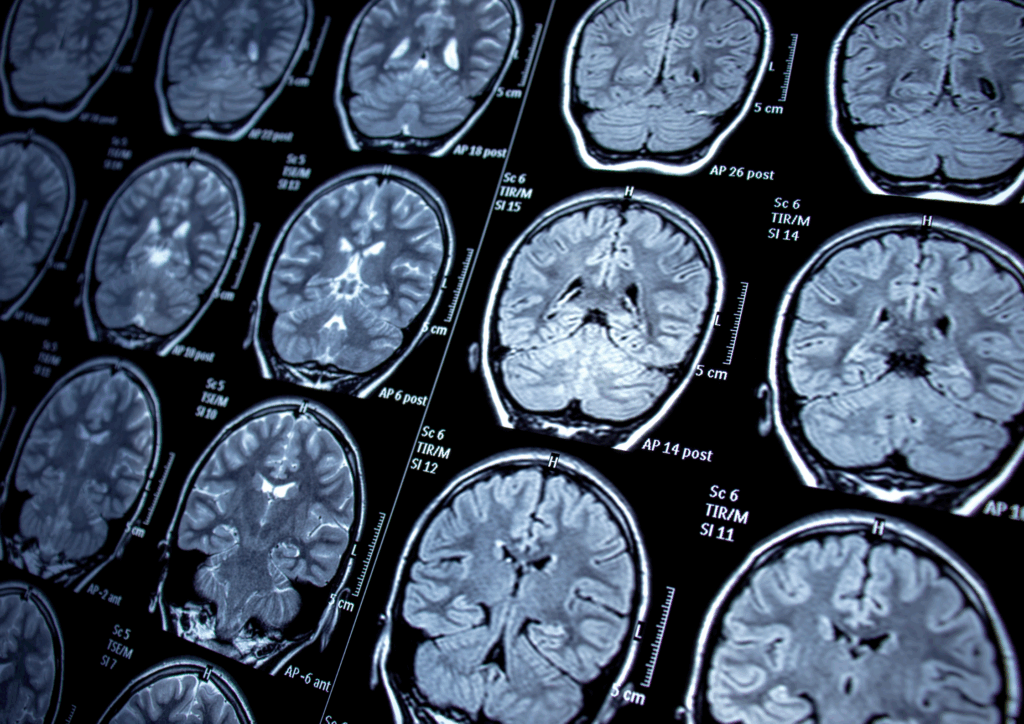
Medical Cannabis For Epilepsy
A growing body of research suggests that cannabinoids found in medical cannabis may help manage certain seizure disorders, particularly treatment-resistant forms of epilepsy. Cannabinoids such as CBD (cannabidiol) interact with the body’s endocannabinoid system, which plays a role in regulating nervous system activity, inflammation, and neuronal signaling.
Medical cannabis does not cure epilepsy. However, studies indicate that CBD-based therapies may help reduce seizure frequency in some patients, especially those with difficult-to-treat epilepsy when used under medical supervision.
Understanding Epilepsy
Epilepsy is a neurological condition that causes recurrent seizures due to abnormal electrical activity in the brain. Seizures can vary widely depending on the individual and the area of the brain affected.
Types of seizures may include:
- focal seizures
- generalized seizures
- absence seizures
- tonic-clonic seizures
- atonic seizures
Epilepsy can affect quality of life, safety, independence, sleep, learning, and emotional well-being.
Standard treatments may include:
- anti-seizure medications
- dietary therapy
- surgery in select cases
- vagus nerve stimulation
- lifestyle and trigger management
Some individuals continue to experience seizures despite standard treatment, which is often referred to as treatment-resistant or refractory epilepsy. Medical cannabis, particularly CBD-based therapy, has become an important area of research for these patients.
How Medical Cannabis May Help Epilepsy Symptoms
Medical cannabis contains cannabinoids that interact with the body’s endocannabinoid system and other neurological pathways involved in brain signaling and excitability.
Research suggests cannabinoids may support epilepsy management through several mechanisms.
Seizure Reduction
CBD has been studied for its ability to reduce seizure frequency in certain forms of epilepsy. It may influence neuronal excitability and help stabilize abnormal brain signaling.
Nervous System Regulation
The endocannabinoid system plays a role in maintaining balance in the nervous system. Cannabinoids may help regulate overactive signaling pathways involved in seizure activity.
Anti-Inflammatory Effects
Inflammation in the nervous system may contribute to seizure disorders in some patients. Cannabinoids may help reduce inflammatory activity that affects brain function.
Sleep and Recovery Support
Seizures and anti-seizure medications can affect sleep, energy, and recovery. Cannabinoids may help support sleep quality and overall well-being in some patients.
THC vs CBD for Epilepsy
Different cannabinoids may have very different effects in epilepsy care.
CBD (Cannabidiol)
CBD is a non-intoxicating cannabinoid and is the most studied cannabis compound for epilepsy. Research suggests CBD may:
- reduce seizure frequency in certain treatment-resistant epilepsies
- support nervous system regulation
- reduce inflammation
- improve quality of life for some patients
CBD is generally the primary cannabinoid considered for epilepsy-related treatment.
THC (Tetrahydrocannabinol)
THC is the psychoactive compound in cannabis and requires caution in epilepsy care.
THC may affect the nervous system differently depending on dose, formulation, and individual sensitivity. In some people, THC may worsen anxiety, impair cognition, or potentially affect seizure threshold. For this reason, THC should only be used under close medical supervision in patients with epilepsy.
Clinical Considerations for Patients and Caregivers
Medical cannabis should only be used under the supervision of a qualified healthcare provider, especially for patients with epilepsy.
Important considerations include:
- reviewing potential interactions with anti-seizure medications
- monitoring seizure frequency and severity
- starting with low doses and adjusting gradually
- using consistent formulations and dosing schedules
- avoiding abrupt changes without medical guidance
Caregivers should keep a seizure diary to track changes in seizure activity, sleep, mood, medication use, and side effects.
When to Speak With a Medical Cannabis Clinic
If epilepsy symptoms continue despite standard treatment, or if seizure-related symptoms significantly affect quality of life, medical cannabis may be explored as a complementary option under medical guidance.
At Greenleaf Medical Clinic, physicians develop personalized treatment plans based on each patient’s diagnosis, seizure history, medications, and overall health profile. Our team works closely with patients, caregivers, and healthcare providers to ensure cannabinoid therapy is used safely and appropriately.
Ready to Explore Medical Cannabis Treatment?
If you believe medical cannabis may be a suitable option for managing your symptoms, you can begin by submitting your information through our start page. Our team will review your details and work with your physician to obtain the required referral for an appointment.
Tap here to get started!
Key Takeaways
- Epilepsy is a neurological condition involving recurrent seizures caused by abnormal brain activity
- CBD is the most studied cannabinoid for epilepsy, especially treatment-resistant seizure disorders
- Cannabinoids may influence nervous system signaling, inflammation, and seizure activity
- THC should be used cautiously in epilepsy due to its psychoactive effects and variable neurological response
- Medical cannabis does not cure epilepsy but may help reduce seizure frequency and improve quality of life for some patients under medical supervision
Evidence Summary
Research on cannabinoids and epilepsy is one of the strongest areas of medical cannabis evidence. CBD has been studied in several treatment-resistant seizure disorders, including severe childhood-onset epilepsies.
Clinical studies have shown that CBD-based therapies may reduce seizure frequency in some patients who do not respond well to conventional medications. Research also highlights the importance of consistent dosing, medical monitoring, and careful review of potential interactions with anti-seizure medications.
Current evidence supports CBD as a promising option for certain epilepsy patients, particularly those with refractory seizures, when used as part of a supervised medical treatment plan.
Research on Medical Cannabis and Epilepsy
Scientific research continues to explore the role of cannabinoids in seizure management, neurological regulation, and quality of life for people living with epilepsy.
Cannabis in the Treatment of Pediatric Epilepsy Bonni Goldstein, MD (2015)
CBD Enriched Medical Cannabis for Intractable Pediatric Epilepsy European Journal of Epilepsy (2016)
An Australian nationwide survey on medicinal cannabis use for epilepsy: History of antiepileptic drug treatment predicts medicinal cannabis use Epilepsy & Behavior (2017)
First Canadian paediatric study of mixed THC/CBD cannabis oil shows promise for children with drug-resistant epilepsy SickKids (2018)
Position Statement on the Use of Medical Cannabis for the Treatment of Epilepsy in Canada Canadian League Against Epilepsy Medical Therapeutics Committee (2019)
Cannabinoids in the Treatment of Epilepsy: Current Status and Future Prospects Neuropsychiatric Disease and Treatment (2020)
Slow Titration of Cannabidiol Add-On in Drug-Resistant Epilepsies Can Improve Safety With Maintained Efficacy in an Open-Label Study Frontiers in Pharmacology (2020)
An Open Retrospective Study of a Standardized Cannabidiol Based-Oil in Treatment-Resistant Epilepsy Cannabis and Cannabinoid Research (2020)
The long-term efficacy of cannabidiol in the treatment of refractory epilepsy International League Against Epilepsy (2021)
Time to onset of cannabidiol treatment effects in Dravet syndrome: Analysis from two randomized controlled trials Epilepsia (2021)
Effect of Cannabidiol on Interictal Epileptiform Activity and Sleep Architecture in Children with Intractable Epilepsy: A Prospective Open-Label Study CNS Drugs (2021)
Long-term use of cannabidiol-enriched medical cannabis in a prospective cohort of children with drug-resistant developmental and epileptic encephalopathy European Journal of Epilepsy (2022)
Therapeutic and clinical foundations of cannabidiol therapy for difficult-to-treat seizures in children and adults with refractory epilepsies Experimental Neurology (2023)
Adjunctive use of cannabidiol in pediatric drug-resistant epilepsy: A retrospective multicenter analysis Epilepsy and Behavior (2025)
Patients With Treatment-Resistant Epilepsy Improve Following Medical Cannabis Therapy Brain and Behavior (2025)
Frequently Asked Questions
Can cannabis help epilepsy?
CBD-based cannabis therapies may help reduce seizure frequency in some patients, particularly those with treatment-resistant epilepsy.
Is CBD better than THC for epilepsy?
CBD is the most studied cannabinoid for epilepsy and is generally preferred because it is non-intoxicating. THC requires caution and medical supervision.
Can medical cannabis replace epilepsy medication?
Medical cannabis should not replace prescribed anti-seizure medication unless directed by a healthcare provider. It may be considered as part of a supervised treatment plan.