
Attention Deficit Hyperactivity Disorder
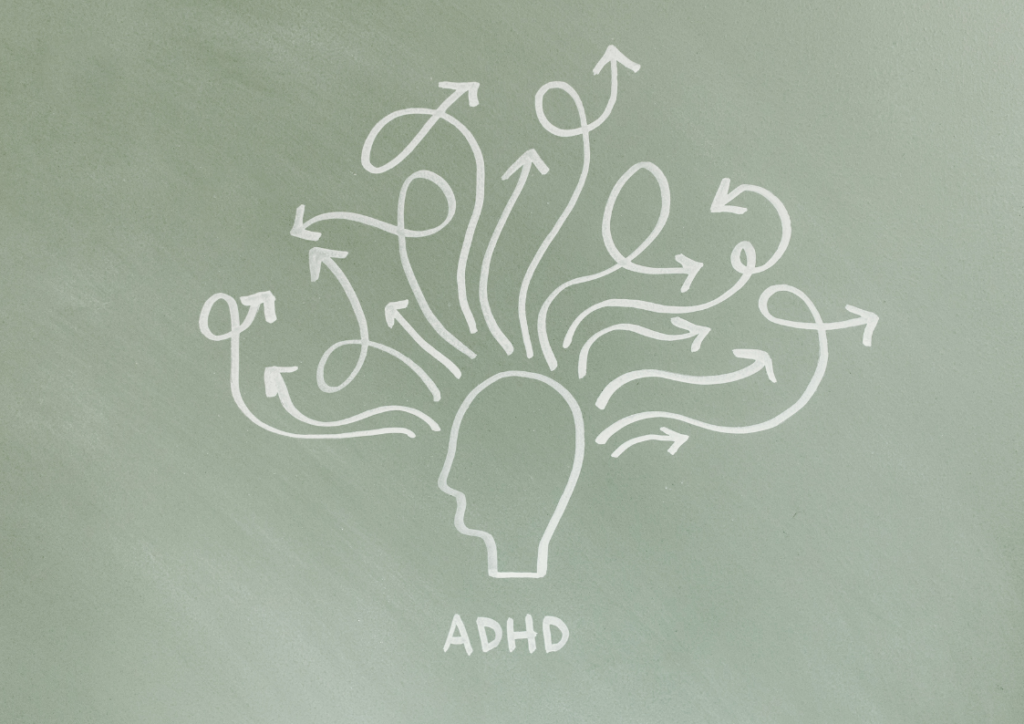
Medical Cannabis For ADHD
A growing body of research suggests that cannabinoids found in medical cannabis may help manage certain symptoms associated with attention-deficit/hyperactivity disorder (ADHD), including inattention, impulsivity, hyperactivity, anxiety, and sleep disturbances. Cannabinoids such as CBD (cannabidiol) and THC (tetrahydrocannabinol) interact with the body’s endocannabinoid system, which plays an important role in regulating attention, mood, executive function, and stress response.
While medical cannabis does not cure ADHD, some studies and patient reports suggest cannabinoids may help improve focus, reduce impulsivity, and support emotional regulation in certain individuals when used under medical supervision.
Understanding ADHD
ADHD is a neurodevelopmental disorder that affects both children and adults. It is characterized by persistent patterns of inattention and/or hyperactivity-impulsivity that interfere with daily functioning.
Common symptoms include:
- difficulty focusing or sustaining attention
- impulsive decision-making
- restlessness or hyperactivity
- difficulty organizing tasks
- forgetfulness
- emotional dysregulation
ADHD is often treated with behavioral therapy, lifestyle strategies, and medications such as stimulants or non-stimulant medications. However, some individuals experience side effects or incomplete symptom relief and may explore additional treatment options.
How Medical Cannabis May Help ADHD Symptoms
Medical cannabis contains cannabinoids that interact with the body’s endocannabinoid system (ECS), which helps regulate dopamine signaling, mood, stress response, and cognitive processes.
Research suggests cannabinoids may influence ADHD symptoms through several mechanisms.
Dopamine Regulation
Dopamine plays a key role in attention, motivation, and reward processing. Some research suggests the endocannabinoid system may influence dopamine pathways, which could impact focus and attention.
Emotional Regulation
Many individuals with ADHD experience emotional dysregulation. Cannabinoids may help support calmness and emotional balance, particularly in individuals with co-occurring anxiety.
Reduction of Hyperactivity and Impulsivity
Some patients report that cannabinoids may help reduce restlessness and impulsive behaviors, although responses can vary significantly.
Sleep Support
Sleep disturbances are common in ADHD. Cannabinoids may help improve sleep quality, which can indirectly improve focus and daytime functioning.
THC vs CBD for ADHD
Different cannabinoids may affect ADHD symptoms differently.
CBD (Cannabidiol)
CBD is a non-intoxicating cannabinoid that has been studied for its potential to:
- reduce anxiety and stress
- support emotional regulation
- improve sleep quality
- promote a sense of calm
CBD may be particularly helpful for individuals with ADHD who also experience anxiety or sleep difficulties.
THC (Tetrahydrocannabinol)
THC is the psychoactive compound in cannabis, and its effects on ADHD can vary. In low, carefully controlled doses, THC may help:
- reduce restlessness
- improve sleep
- promote relaxation
However, higher doses of THC may impair attention, memory, or cognition, which is why careful dosing and medical supervision are essential.
Clinical Considerations for Patients and Caregivers
Medical cannabis should be used under the supervision of a qualified healthcare provider, particularly for individuals with ADHD.
Important considerations include:
- starting with low doses, especially when THC is involved
- monitoring for changes in focus, attention, or mood
- reviewing potential interactions with ADHD medications
- adjusting cannabinoid ratios based on individual response
Treatment approaches may vary depending on symptom profile, co-occurring conditions (such as anxiety or sleep disorders), and individual sensitivity to cannabinoids.
Key Takeaways
- ADHD is a neurodevelopmental condition that affects attention, impulse control, and executive functioning.
- The endocannabinoid system plays a role in regulating dopamine signaling, mood, and cognitive processes.
- Cannabinoids such as CBD and THC may influence attention, emotional regulation, and stress response.
- Some patients report improvements in focus, sleep, and anxiety symptoms when using medical cannabis.
- Medical cannabis does not replace standard ADHD treatments but may provide additional symptom support for some individuals.
When to Speak With a Medical Cannabis Clinic
If ADHD symptoms continue to impact daily functioning despite standard treatment approaches, some individuals explore medical cannabis as a complementary option for symptom management.
At Greenleaf Medical Clinic, physicians develop personalized treatment plans based on each patient’s medical history, medications, and treatment goals. Our team works closely with patients and their healthcare providers to ensure that cannabinoid therapy is used safely and as part of a comprehensive care plan.
Ready to Explore Medical Cannabis Treatment?
If you believe medical cannabis may be a suitable option for managing your symptoms, you can start by submitting your information through our patient intake form. Our team will review your details and work with your physician to obtain the necessary referral for an appointment.
Start here.
Evidence Summary
Research on cannabinoids and ADHD is still developing, but early studies and observational data suggest the endocannabinoid system plays a role in attention, executive function, and emotional regulation.
Some studies and patient-reported outcomes suggest that cannabinoids may help improve symptoms such as hyperactivity, impulsivity, anxiety, and sleep disturbances in certain individuals. However, research findings are mixed, and more large-scale clinical trials are needed.
Current evidence suggests cannabinoids may provide symptom support for some individuals with ADHD, particularly when used as part of a carefully supervised treatment plan.
Frequently Asked Questions
Can cannabis help with ADHD?
Some individuals report improvements in symptoms such as anxiety, sleep, and hyperactivity. However, responses vary, and medical supervision is important.
Can THC worsen ADHD symptoms?
Yes. Higher doses of THC may impair attention and memory in some individuals, which is why careful dosing is essential.
Is CBD better than THC for ADHD?
CBD is often preferred due to its non-intoxicating effects and potential to support calmness and emotional regulation, but treatment varies by individual.
Research on Medical Cannabis and ADHD
Scientific research examining cannabinoids and ADHD is ongoing. While fewer studies exist compared to other conditions, emerging evidence explores how cannabinoids may influence attention, behavior, and emotional regulation.
Cannabinoid and Terpenoid Doses are Associated with Adult ADHD Status of Medical Cannabis Patients Rambam Maimonides Medical Journal (2020)
Self-Reported Effects of Cannabis on ADHD Symptoms, ADHD Medication Side Effects, and ADHD-Related Executive Dysfunction Journal of Attention Disorders (2022)
Cannabis for the Treatment of Attention Deficit Hyperactivity Disorder: A Report of 3 Cases Medical Cannabis and Cannabinoids (2022)